Table of Contents
- Introduction
- Why Bone Health Matters After 50
- Essential Nutrients for Strong Bones
- Best Foods for Bone Strength
- Bone Strength Meal Plan for Adults Over 50
- Foods to Limit
- Lifestyle Tips for Better Bone Health
- Conclusion
- Frequently Asked Questions
Bone Strength Meal Plan for Adults Over 50
Introduction:
As we age, looking after our bones becomes an integral element of good health and vitality .Bone Strength Meal Plan for Adults Over 50 People over the age of 50 can suffer a natural decline in bone mass, which indicates an increased risk for fractures and osteoporosis. While aging cannot be prevented, changes in the diet can reduce the rate of mineral and vitamin loss in the bones and assure their health for many years.
The balanced Bone Strength Diet Plan for Adults over 50 provides the essential substances for bone health, such as calcium, vitamin D, proteins, magnesium, vitamin K, and phosphorus. They work together to create and maintain good bones in a person’s system as well as assist his or her muscles and joints in their function. Thus, following a proper meal plan in coordination with physical training and healthy habits can greatly increase the person’s chances for a healthy and long life with no bone problems.
This guide describes the best foods and important nutrients for bone health, a daily meal plan, and lifestyle recommendations for 50-plus adults.
The significance of bone health past 50:
Bone density begins to decrease from the age of 30 but decreases even more quickly from the age of 50. The bone loss for women is higher after menopause than the rate of loss for men.
Weak bones heighten the risk for:
- Osteoporosis
- Hip fractures
- Spinal fractures
- Bad posture
- Joint pain
- Limited mobility
Lucky for us, good nutrition combined with exercise can slow the process of osteoporosis.
Important nutrients for healthy bones:
Calcium
Calcium is the most important mineral in bones, and adults over the age of 50 usually require about 1200 mg of calcium per day.
Great sources of calcium:
- Milk
- Yogurt
- Cheese
- Tofu
- Sardines
- Kale
- Broccoli
- Fortified soy milk.

Vitamin D
Vitamin D makes sure that calcium is being absorbed properly.
Great sources of vitamin D:
- Fatty fish
- Egg yolks
- Fortified milk
- Mushrooms and sunlight
Safe sunlight exposure:
Protein
Proteins are beneficial for both muscles and bones.
Sources of healthy proteins are:
- Chicken
- Turkey
- Fish
- Eggs
- Greek yogurt
- Lentils
- Legumes
- Chickpeas
Magnesium
Magnesium is necessary for healthy bone formation.
The best sources of magnesium include:
- Almonds
- Pumpkin seeds
- Spinach
- Cashew nuts
- Brown rice
Vitamin K
Vitamin K helps calcium to be attached to bones.
The best sources of vitamin K are:
- Kale
- Spinach
- Broccoli
- Brussels sprouts
- Cabbage
Omega-3 fatty acids:
Omega-3 fatty acids help reduce inflammation and have the potential to benefit bone health.
Sources of omega-3 fatty acids include:
- Salmon
- Tuna
- Sardines
- Walnuts
- Chia seeds
- Flax seeds
Foods for bone strengthening:
Here is a list of food candidates for weekly consumption:
Food
Bone health effect
Milk
Large amount of calcium
Greek yogurt
High amount of calcium and proteins
Cheese
Calcium
Salmon
Vitamin D and omega-3
Sardines
Calcium-rich bones
Eggs
Vitamin D and proteins
Spinach
Vitamin K and magnesium
Broccoli
Calcium and vitamin C
Kale
Calcium and vitamin K
Almonds
Magnesium
Tofu
Calcium and proteins
Beans
Proteins and magnesium
Lentils
Plant protein
Chia seeds
Calcium and omega-3
Sesame seeds
Calcium
Bone Food Menu for Individuals Over 50 Years of Age
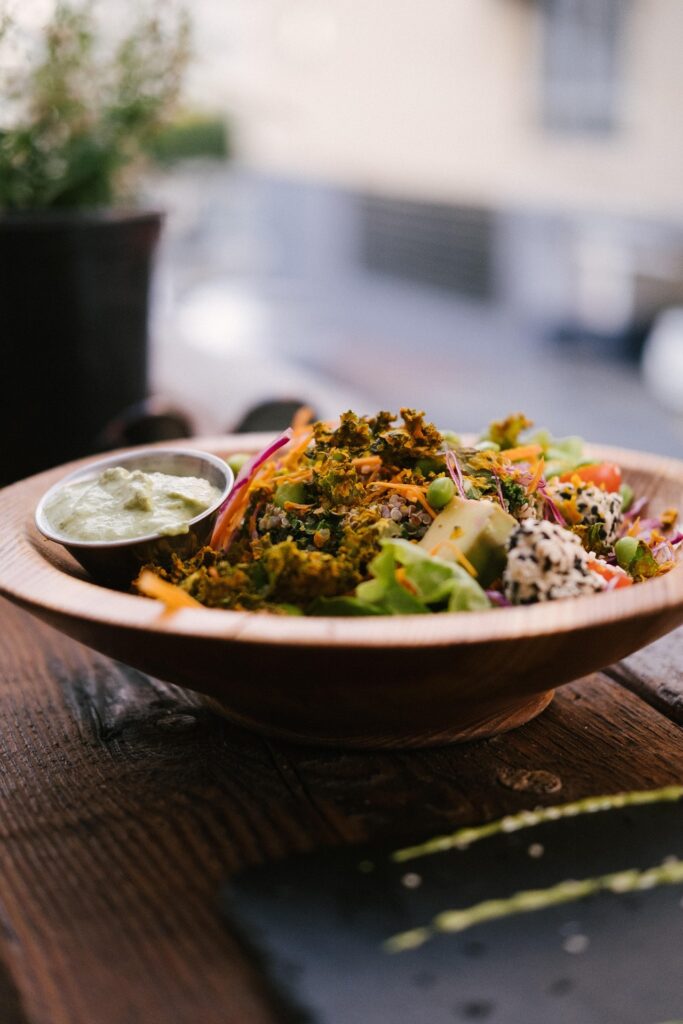
First Meal of the Day
Greek yogurt mixed with berries
Oatmeal sprinkled with chia seeds.
One boiled egg is eaten.
A glass of skim milk is consumed.
Advantages:
Calcium, protein, vitamin D, and fiber are present in this meal to ensure healthy bones all day long.
Snack between the Breakfast and the Lunch
A handful of almonds
An orange
Vitamin C promotes the production of collagen that is important for bones. Almonds are a good source of magnesium, which is useful for bones.
Time for Lunch
Grilled salmon
Brown rice
Steamed broccoli
Spinach salad with olive oil
In this meal, calcium, protein, vitamin D, and healthy fats are included.
Snack between the Lunch and Dinner
Cottage cheese
Apples
This protein meal will help you keep your bones strong.
Evening Meal
Grilled chicken breast
Sweet potatoes
Roasted Brussels sprouts
Mixed salad
This meal is good for bones and contains vitamins and minerals.
Snack before Going to Bed
Warm low-fat milk
Some nuts.
Calcium and magnesium can help the bones recover during the night.
Foods that Should be Limited:
Certain food products can affect calcium absorption or contribute to a bone loss
Techniques to Improve Bone Health
To stay healthy, you need to change your eating habits and some of your behaviors.
Engage in Physical Repair
Doing any activity that requires effort will help your bones. Examples of physical activities that yield results are jogging, walking, dancing, etc.
Aim for at least 150 minutes of physical activity every week.
Be in the Sun
Spend about 10-30 minutes in the sun a couple of times a week. Take into account your skin type and place where you are.
Be fit
People who are overweight face the danger of an increased amount of fractures and problems of the joints. Maintain a proper body mass by regularly exercising and eating right.
Drink a lot of Water
Drinking a lot of water is good for health because muscles and ligaments work better due to it.
Take a Bone Density Test:
People who are more than 50 years of age should consult with a physician to find out whether a bone density test should be done.
To sum up: To maintain healthy bones as you get older you should eat a balanced diet that includes dairy food, dark green vegetables, meat, oily fishes, nuts, seeds, and whole-grain products.
This food plan together with regular physical activity, enough vitamin D, healthy lifestyle, and medical visits can help preserve your strength, freedom, and activity at a sufficient level for a long time into old age.
Small daily shifts in one’s eating can contribute to proper bone nutrition and thus lead to great results.
FAQ:
1. What is the most proper food for bone health?
Calcium-rich products: dairy, green leafy vegetables, fish (salmon, sardines), tofu, and fortified products should be eaten to have strong bones.
2. What’s the calcium requirement for adults older than 50?
In general, adults above 50 need about 1200 mg of calcium on a daily basis, but individual needs might differ.
3. Is vitamin D vital for strong bones?
Yes. Vitamin D allows the body to extract much more calcium from the food consumed, which is necessary for the good condition of bones.
4. What kinds of exercises enhance bones?
To maintain healthy bones it is necessary to perform activities that involve weight-bearing exercises, such as walking, hiking, dancing, climbing, etc.
5. Is it possible to prevent osteoporosis by healthy eating only?
The healthy diet is necessary, however, the proper results can be achieved only in conjunction with exercise and vitamin