Table of Contents
- Introduction
- Why Diet Matters for Blood Pressure
- Best Foods for Healthy Blood Pressure
- Foods to Avoid
- 7-Day Blood Pressure Diet Plan
- Lifestyle Tips for Heart Health
- Benefits of Following This Diet
- Frequently Asked Questions
- Conclusion
Introduction :
High blood pressure, medically known as hypertension, is one of the top causes of heart diseases, stroke, and kidney complications in the world. Many patients do not identify their condition of hypertension as the symptoms are not usually noticeable. Luckily, healthier food choices can drastically influence blood pressure over time and will help protect a person’s heart.
A blood pressure diet plan aimed at maintaining a healthy heart involves foods that have a high content of beneficial nutrients, while also being low-sodium. Such nutrients as potassium, magnesium, and calcium can help relax the blood vessels and improve blood flow.
This guide provides detailed information on what foods to eat, what foods to avoid, and a simple 7 days meal plan.
Why Diet is Important for Blood Pressure:
What you eat has a direct impact on your blood pressure. Diets that are rich in sodium, unhealthy fats, and processed foods have an increased risk of hypertension.
- A heart healthy diet helps to:
- Reduce sodium consumption;
- Increase potassium consumption;
- Lower cholesterol;
- Encourage healthy weight loss;
- Improve blood circulation;
Consuming healthy meals regularly is one of the easiest natural methods of controlling blood pressure.
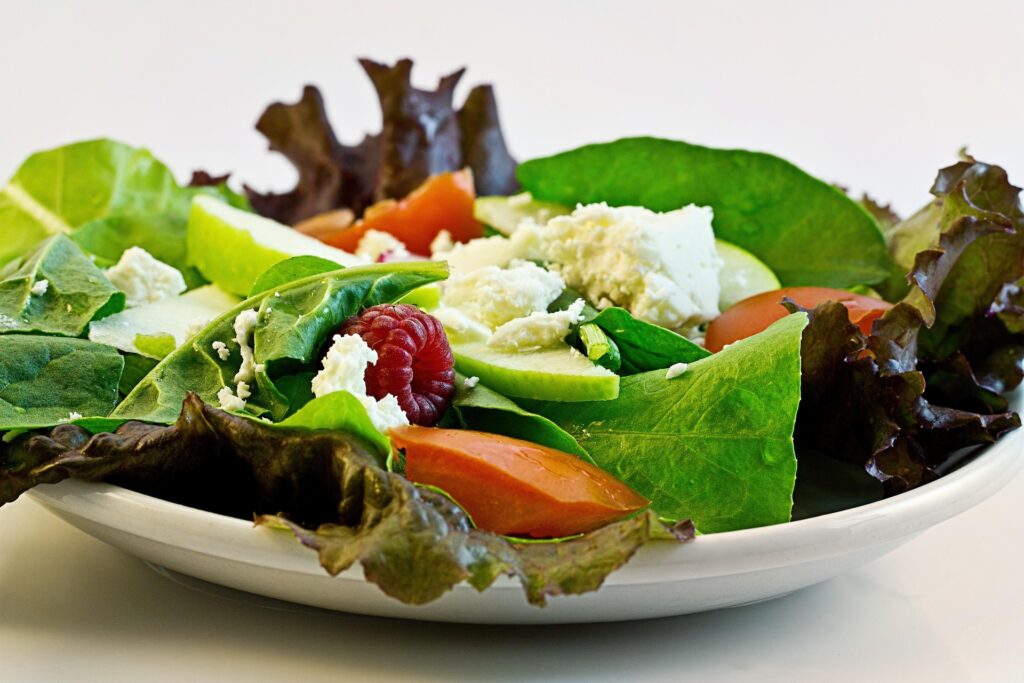
1. Leafy Greens
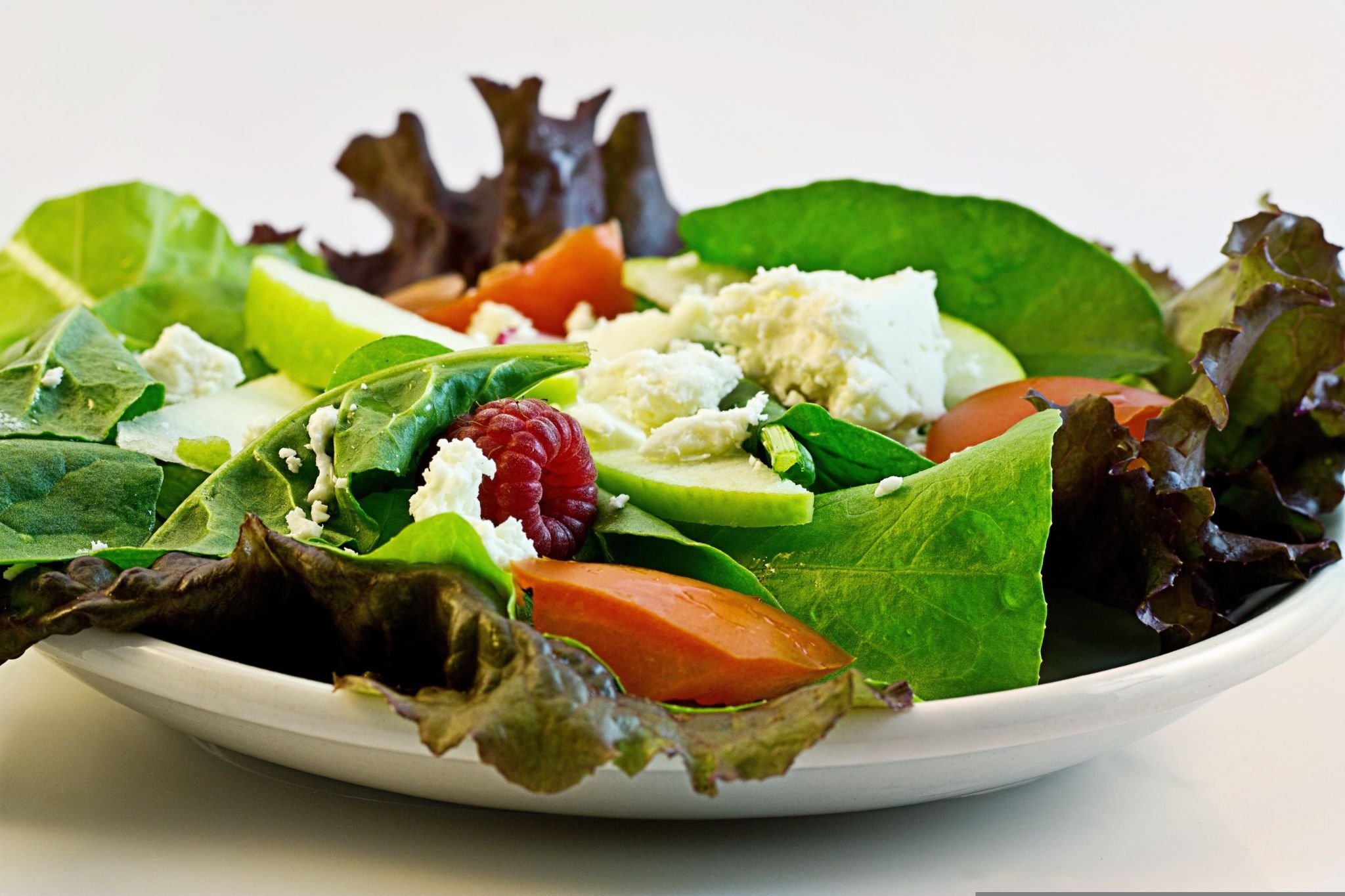
Vegetables such as spinach, kale, lettuce, and Swiss chard are high in potassium, which aids in the elimination of excess sodium in the body.
Examples include spinach, kale, collard greens, and cabbage.
2. Berries
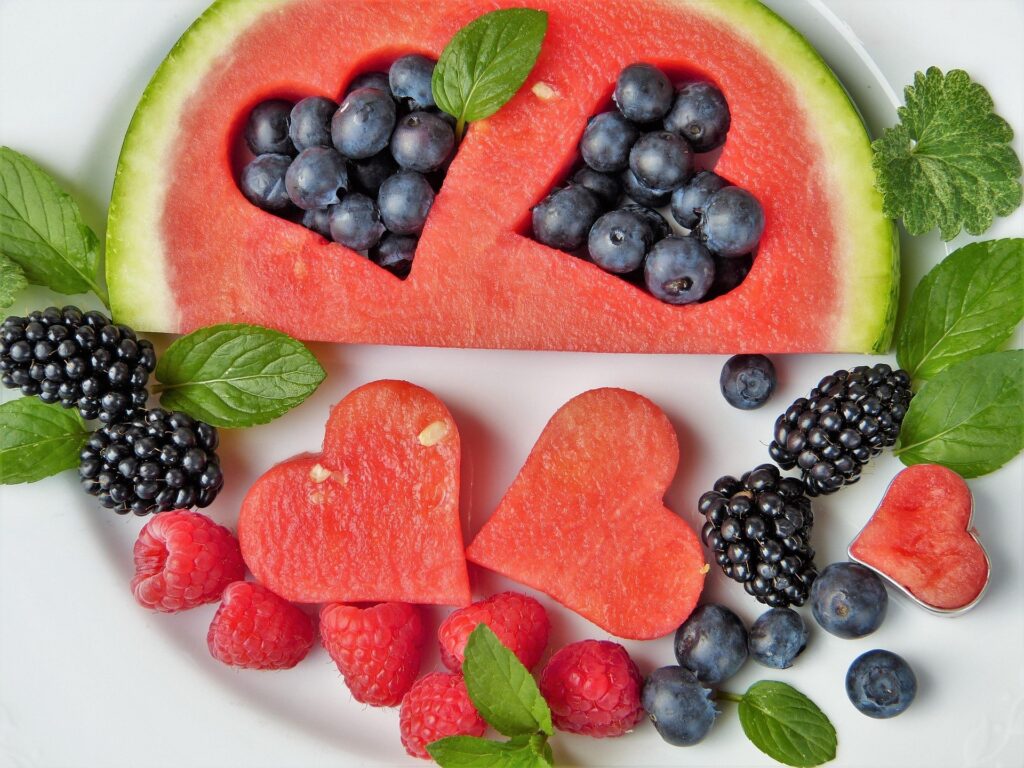
Blueberries, strawberries, and raspberries have antioxidants called flavonoids that help maintain healthy blood vessels.
You can include berries in yogurt or smoothies.
3. Oats
Oats contain soluble fiber that assists with cholesterol lowering, thereby improving heart health. Very important in making a healthy choice is opting for plain oats instead of flavored ones.
4. Fatty Fish
Fish that have omega-3 fatty acids help to decrease inflammation and enhance the functioning of blood vessels.
Good options in this case include salmon, sardines, trout, and mackerel.
Fish consumption for health reasons should take place at least twice or three times a week.
5. Bananas
Bananas have potassium, which helps with natural blood pressure regulation. It can take the form of one banana when eating them.
6. Beans and Lentils
These foods are full of fiber and protein. It should be noted that beans include black beans, chickpeas, and kidney beans.
7. Low-Fat Dairy Products
Milk and7. Low-Fats Dairy
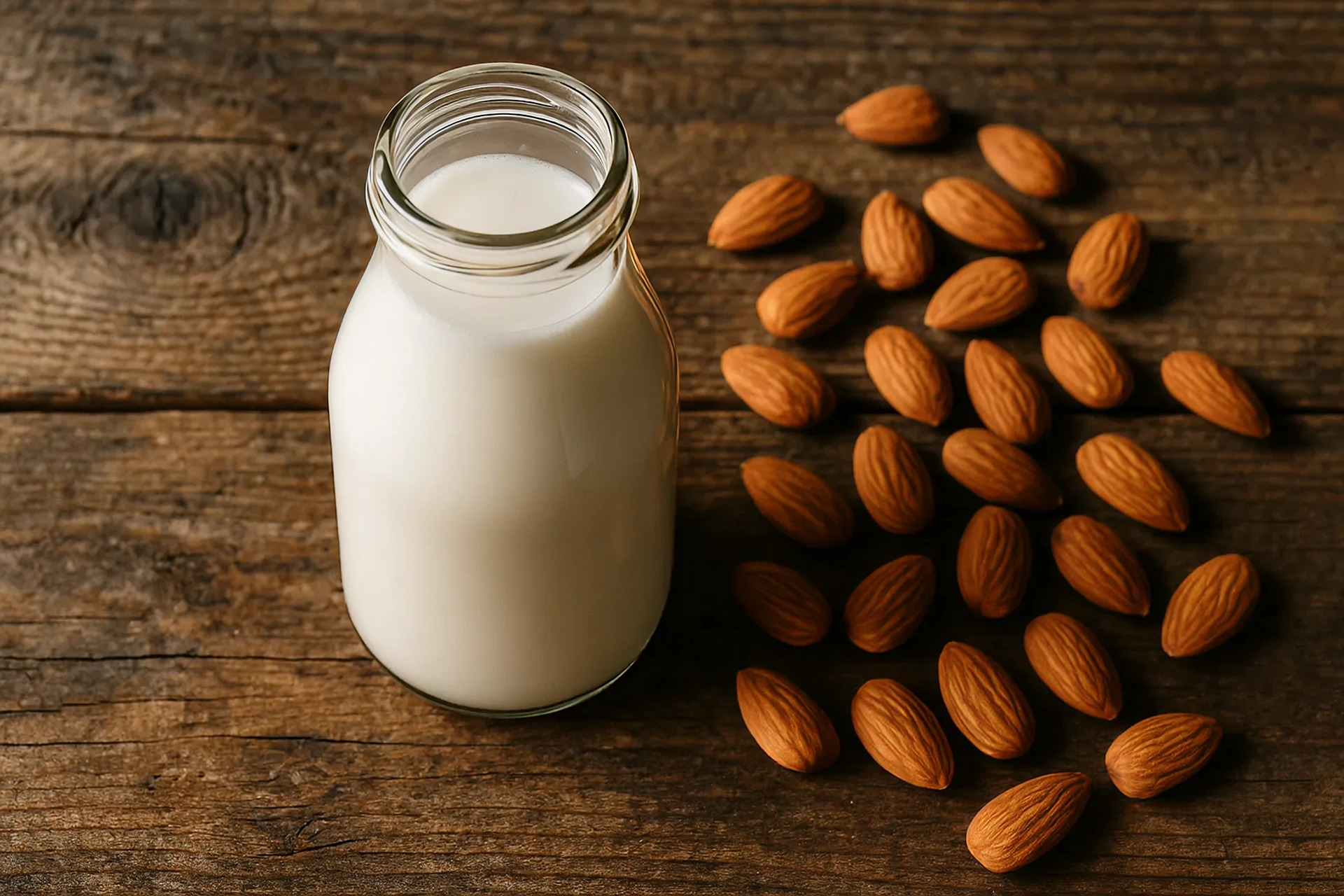
Dairy products like milk and yogurt are excellent sources of calcium which is very important in controlling one’s blood pressure levels.
Try to stick with low-fat and unsweetened options.
8. Nuts and Seeds
The good fats obtained from almonds and walnuts, as well as flaxseed and chia seed, can also be beneficial for one’s overall health.
Regularly eat a handful of these nuts every day.
Foods to Avoid
In addition to focusing on healthy foods, it is also important to restrict food items that are unhealthy.
Avoid:
- Processed meat
- Fast foods
- Fried food
- Chips
- Item rich in sugar
- Candy
- White bread
- Frozen food items
- Soups that are high in sodium
- The highly alcoholic drinks
Whenever you purchase a food product from the supermarket, make sure to check its label for sodium levels.
7 Days Diet Chart for Controlling High Blood Pressure
Day 1
Breakfast
Oatmeal and blueberries along with nuts
Snack
One banana
Lunch
Salad with grilled chicken and olive oil dressing
Snack
Low-fat yoghurt
Dinner
Baked fish, brown rice and broccoli
Day 2
Breakfast
Whole grain bread with avocado spread
Snack
One apple
Lunch
Lentil soup and mix salad
Day Two
Breakfast
Traditional pancakes topped with strawberries
Snack
Boiled egg
Lunch
Vegetarian curry
Snack
Steamed broccoli
Dinner
Roasted chicken
Day Three
Breakfast
Greek yogurt topped with berries
Snack
Orange
Lunch
Quinoa with grilled vegetables
Snack
Carrot sticks
Dinner
Baked cod with spinach
Day Four
Breakfast
Spinach and banana smoothie
Snack
Mixed nuts
Lunch
Brown rice served with grilled chicken
Snack
Pear
Dinner
Bean salad consisting of mixed vegetables
Day Five
Breakfast
Whole grain cereal with low fat milk
Snack
Blueberries
Lunch
Turkey sandwich with whole grain bread
Snack
Cucumber slices
Dinner
Grilled salmon with sweet potato
Day Six
Breakfast
Vegetable omelette
Snack
Apple
Lunch
Chickpeas
Snack
Low fat yogurt
Dinner
Grilled chicken with quinoa
Day 7
Breakfast
Oatmeal with strawberries
Snack
Banana
Lunch
Vegetable soup with whole-grain bread
Snack
Almonds
Dinner
Baked trout and steamed vegetables
Useful Tips for Heart Health:
A proper diet is effective combined with healthy lifestyle choices.
Exercise for at least 30 minutes nearly every day.
Maintain a normal weight.
Drink enough water.
- Sleep enough every day.
- Reduce your stress with breathing exercises. Stop smoking.
- Control the amount of alcohol consumed.
- Regularly check blood pressure. Advantages of this type of diet
If you stick with this heart focused eating pattern, it can help with quite a few things, for example:
a natural decrease in blood pressure
- better overall health
- lower cholesterol levels
- supporting weight control
- more day to day energy
- improved blood circulation
- a reduced chance of stroke
- helping with proper kidney function
Frequently asked questions :
Q: What is the best diet for hypertension?
A lot of people recommend the DASH (Dietary Approaches to Stop Hypertension) diet, since it tends to be built around foods like fruits and vegetables, whole grains, and low fat dairy, while also keeping sodium levels low.
2. Do bananas lower blood pressure?
Bananas contain potassium that helps control sodium balance in the human body and therefore aids in maintaining healthy blood pressure.
3. What is the daily intake of sodium?
Most adults have to limit sodium intake to lower than 2300 mg daily; however, some may need to decrease this amount to 1500 mg a day.
4. Is it safe to eat eggs if I have high blood pressure?
To answer it briefly, eggs can be part of a healthy diet for many individuals. It’s better to have them with vegetables and grains instead of processed meats.
5. How soon can food change blood pressure?
Some individuals see effects soon enough while some people need more time.
Conclusion:
Keep in mind that the Blood Pressure Diet Plan for a Healthy Heart is among the best options for maintaining good heart health for many years. Consuming more fruits and vegetables, whole grains, low-fat proteins, as well as healthy fats while avoiding salt, sugar, and processed foods will make it possible to control blood pressure at the natural level. If combined with sports, proper sleep, and medical checkups, it will improve overall health. Always consult with a medical professional before making any big changes in diet.