Table of Contents
- Introduction
- Why Choose Low Sugar Meals?
- Benefits of a Low Sugar Family Diet
- Foods to Include
- Foods to Limit
- 7-Day Low Sugar Meal Plan
- Healthy Snack Ideas
- Smart Grocery Shopping Tips
- Meal Prep Tips
- Common Mistakes to Avoid
- Frequently Asked Questions
- Conclusion
Best Low Sugar Meals for Families

Introduction:
When it comes to providing healthy meals for family members of different age groups, it can be something of a challenge particularly in terms of reducing the intake of sugar. If you are looking to reduce sugar, you might want to pay particular attention to packaged foods, drinks, and snacks, as these may contain hidden sources of sugar. But thankfully, low sugar eating habits don’t imply that you have to stop enjoying your meals. Just make sure that you are choosing whole foods instead of processed foods that are usually high in additives.
The low sugar meals for families are usually the meals that contain the majority of lean proteins as well as whole grains, vegetables, fruits, healthy fats, and dairy foods that do not contain added sugars. Low sugar meals will also provide energy for people of all ages, both adults and kids in order for them to keep healthy blood sugar levels and to enjoy tasty low sugar meals. By learning how to prepare nutritious breakfast, lunch, dinner, and snack, families will be able to enjoy a variety of balanced meals.
This guide discusses healthy foods, meal planning ideas, and the table for a week ahead.
The GreatIncreasing daily energy:
Boosting children’s attention
Lessening cavities
Promoting good nutrition
In fact, the natural sugars included in fruits and milk are among the healthiest sugars available due to the presence of minerals, fiber, and vitamins important for our nutritional needs and for regulating sugar absorption by the body.
Advantages of a Family Low Sugar Diet:
1. Increased energy
Foods high in sugar provide the body with energy, however, this energy hits the top quickly and disappears shortly after. The best and healthiest food sources provide our body with energy throughout the day.
2. Healthy weight
Lower sugar means a low number of calories consumed.
3. Improved heart health
Eating less sugar helps to reduce triglycerides and maintain cholesterol levels at a healthy level.
4. Improved digestion
Wholefoods improve nutrition due to the increased fiber amount in the diet.
5. Healthy kids
Kids who prefer a low-sugar diet are healthier and better at concentrating.
Products that should be consumed
Make sure to select healthy and rich in nutrients foods like:
- Vegetables
- Brocolli
- Carrot
- Spinach
- Bell pepper
- Cucumber
- Cauliflower
- Green beans
Fruits
- Apple
- Berries
- Pear
- Orange
- Kivi
- Peach
- Lean proteins
- Chicken fillet
- Turkey
- Eggs

Fish
- Beans
- Lentils
- Tofu
- Whole grains
- Brown rice
- Oats
- Quinoa
- Whole
- Flax seeds.
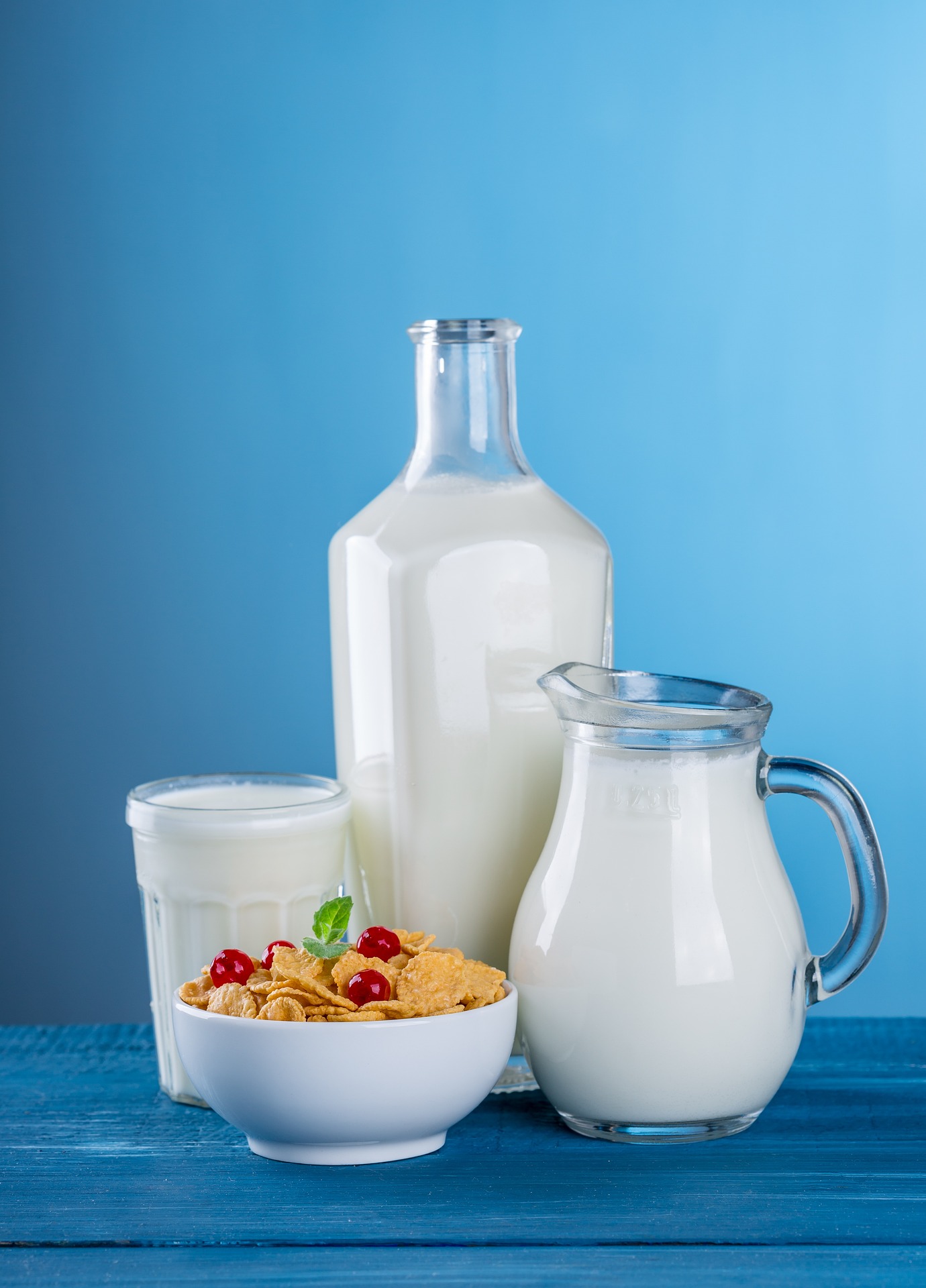
- Dairy products.
- Plain yogurt in products.
- Milk.
Cheese.
Foods You Should Minimize :
Try to steer clear of foods that are heavy in added sugars whenever you can.
Among these are: soft drinks, confectionery, cakes, cookies, sweet cereals for breakfast, yogurt with sweet additives, energy drinks, ice cream, sauces that are sweetened, packaged desserts. Also, do not forget to look at nutrition labels, to catch those sneaky sugars that hide.

A One-week Low Sugar Diet
Day 1.
Breakfast: Oatmeal with blueberries and chopped almonds.
Lunch: Grilled chicken salad with olive oil dressing.
Dinner: Baked salmon, brown rice, and broccoli cooked “just right” (like, visually).
Snack: Slices of apple with peanut butter.
Day 2.
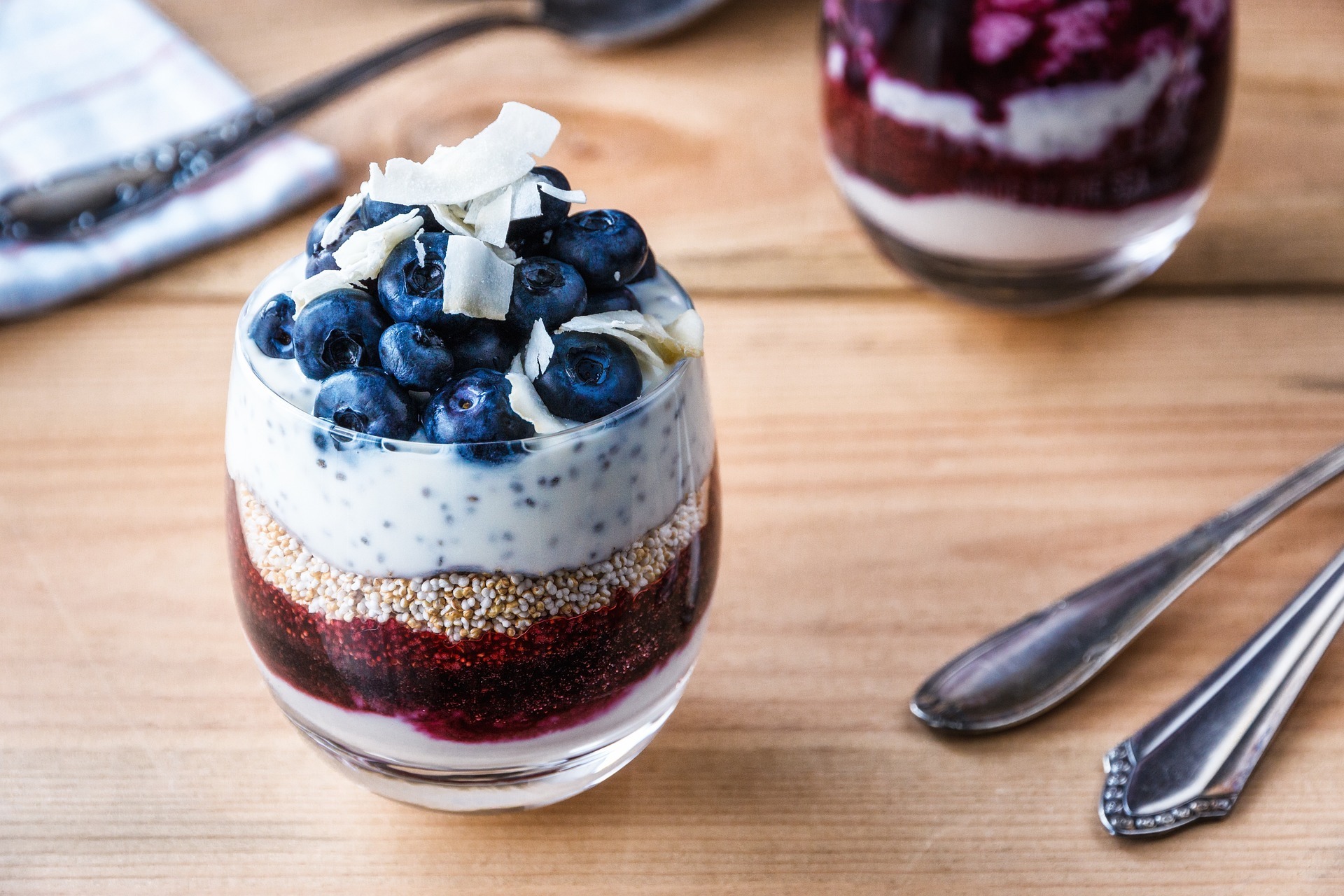
Breakfast: Greek yogurt with strawberries and tiny chia seeds.
Lunch: Turkey sandwich on whole wheat bread with slices of cucumber.
Dinner: Chicken stir-fried with vegetables and also quinoa.
Snack: Nuts mixed.
Day 3.
Breakfast: vegetable omelet plus bread made from whole grains (nothing fancy).
Lunch: lentil soup, along with a salad that is mixed greens.
Dinner: turkey meatballs made from whole grain pasta and tomato sauce, pretty comforting.
Snack: carrots with hummus.
Day 4
Breakfast: smoothy made from spinach banana milk and flax seeds, it was kinda thick.
Lunch: grilled chicken wrap, prepared from whole wheat tortillas.
Dinner: codfish with vegetables baked, on a tray.
Snack: yogurt with berries.
Day 5
Breakfast: Scrambled eggs with avocado toast, for breakfast, yeah.
Lunch: Quinoa salad, consists of chickpeas and vegetables.
Dinner: Stir fry beef with brown rice and vegetables.
Snack: sliced pears.
Day 6
Breakfast: pancakes made of whole wheat, topped with fresh berries instead of syrup.
Lunch: tuna salad served with crackers made of whole wheat.
Dinner: green beans, sweet potatoes and roasted chicken, served for dinner.
Snack: cucumbers with cheese.
Day 7
Breakfast
Overnight oats with cinnamon and apple slices served for breakfast.
Lunch
Vegetable soup with grilled cheese on bread of whole grain served for lunch.
Dinner
Shrimps grilled and served with quinoa and asparagus.
Snack
Walnuts and fresh berries

Healthy Snack Ideas :
Try swapping your snacks with these healthy alternatives
Fresh fruit.
Nuts with some salt.
Plain popcorn.
Hard boiled eggs.
Cottage cheese.
Veggie sticks.
Hummus.
Cheese.
Greek yogurt.
Smart grocery shopping Tips :
Smart shopping can be a good way to minimize sugar intake without spending a lot on groceries.
Make sure that you visit the outer area of the grocery store.
Try to buy fresh produce whenever you can.
Choose whole grain products.
- Look for nutrition facts.
- Avoid sugary drinks.
- Buy frozen vegetables for convenience.
- Keep healthy snacks around you.
- MakeTake a stroll through the outer aisles of the store.
- Opt for fresh fruits and vegetables when you can get them.
- Look for whole grain items.
- Examine the labels for nutritional information.
- Drink mostly water, instead of soda.
- Buy frozen veggies for ease of use.
- Have something healthy to munch on.
Decide on the items you would like to buy before going shopping.
Make food at home rather than going out for food.
Meal Prep Ideas:
Meal preparation is a great time saver and encourages a healthy diet.
Useful meal prep suggestions would include:
- Cook your grains on a large scale.
- Prepare vegetables beforehand.
- Make healthy snacks for your week.
- Put your soups in the freezer.
- Cook chicken breast on the grill to have more at once.
- Store the meals in portions.
- Prepare overnight oats if you don’t have the time to cook in the morning.

Common Mistakes to Avoid:
Many families don’t realize that they may be consuming too much sugar. The following are common mistakes to avoid:
- Drinking fruit juice every day
- Buying flavored yogurt
- Choosing sugary breakfast cereals
- Adding sugar to coffee or tea
- Eating packaged snacks frequently
- Not paying attention to nutrition labels
- Missing meals, leading to unhealthy cravings
- Small changes every day make big changes over time.
Frequently Asked Questions:
1. What are considered low-sugar meals?
Low sugar meals are meals that contain little or no added sugar and are based on whole food like vegetables, lean proteins, healthy fats, and whole grains.
2. Can children safely eat a low-sugar diet?
Yes. Children should avoid too much added sugar while eating their regular fruits, vegetables, dairy, and other foods that have various nutrients.
3. Is it allowed to eat fruits on a low sugar meal plan?
Definitely yes. Whole fruit contains sugars but also contains fiber, vitamins, and antioxidants.
4. In what way can I lower my sugar intake, while still keeping the flavor
Herbs, spices, garlic, lemon juice, and fresh foods can be a really good alternative for sauces or seasonings that have added sugar in them.
5. Is it true that meal prep is efficient for a low sugar diet
Yes, meal preparation helps you stay away from processed foods, and it makes it easier to eat in a healthier manner all week.

Final words :
Eating low-sugar meals is one of the easiest ways to support overall good health. Fresh vegetables and fruits, hearty grains, healthy fats, and lean protein make it possible to create great meals with no added sugars, at all.
Planning for the week, shopping wisely, and doing some prep work beforehand is pretty straightforward, and it will make those healthy, tasty meals affordable too and, yes, sustainable.
Also, don’t forget to start with small steps, like swapping sugary drinks for water, picking plain yogurt instead of flavored ones, or cooking at home more often. With time, you will notice that these little changes are making your everyday life feel brighter and healthier.