Table of Contents
- Introduction
- Why Nutrition Matters During Menopause
- Best Foods for a Menopause Summer Diet
- Cooling Fruits
- Hydrating Vegetables
- Lean Protein Sources
- Healthy Fats That Support Hormones
- Whole Grains for Lasting Energy
- Calcium and Vitamin D Are Essential
- Foods That May Trigger Hot Flashes
- Hydration Tips During Summer
- One-Day Menopause Summer Meal Plan
- Breakfast
- Mid-Morning Snack
- Lunch
- Afternoon Snack
- Dinner
- Evening Snack
- Lifestyle Tips Along With Your Summer Diet
- Foods Rich in Phytoestrogens
- Common Summer Diet Mistakes During Menopause
- Frequently Asked Questions (FAQs)
- Conclusion

Introduction:
The Summer Diet for Women Over 45 Will Change Your Life During Hot Weather.
Menopause Summer Diet Plan for Women 45 Women who are experiencing menopause may be having very difficult times during the summer months. For example, women who have had their estrogen levels decline as they have entered menopause often experience hot flashes, night sweats, fatigue, mood swings, and sleep disturbances. The summer months, particularly if very warm, will only exacerbate these symptoms. If women choose to eat cooling types of food, drink plenty of fluids, and eat nutritionally balanced meals, it will help women regulate their body’s temperature, improve their energy level, and support their hormone balance.
A menopause diet for women is not a diet filled with strict food requirements. Instead, the menopause diet for women provides food with nutrients (proteins, healthy fats, fiber, vitamins, and minerals) but avoids foods that are likely to produce extra heat and/or produce inflammation. The following guide details the best types of foods to eat, foods to restrict, tips for hydration, as well as an easy to follow one-day summertime meal plan for women over 45.
Why Nutrition Is Important To Women Experiencing Menopause:
Low estrogen levels can cause:
- Hot flashes
- Night sweats
- Weight gain in the abdomen
- Slow metabolism
- Bone loss
- Mood changes
- Sleep problems
- Loss of muscle mass
During summer, there may be an increase in the discomfort associated with menopause. Having a healthy, balanced diet, with hydrating and cooling fruits, vegetables, lean proteins and healthy fats can help support the body’s well-being during this time by reducing inflammation and maintaining hydration.
Cooling Fruits:
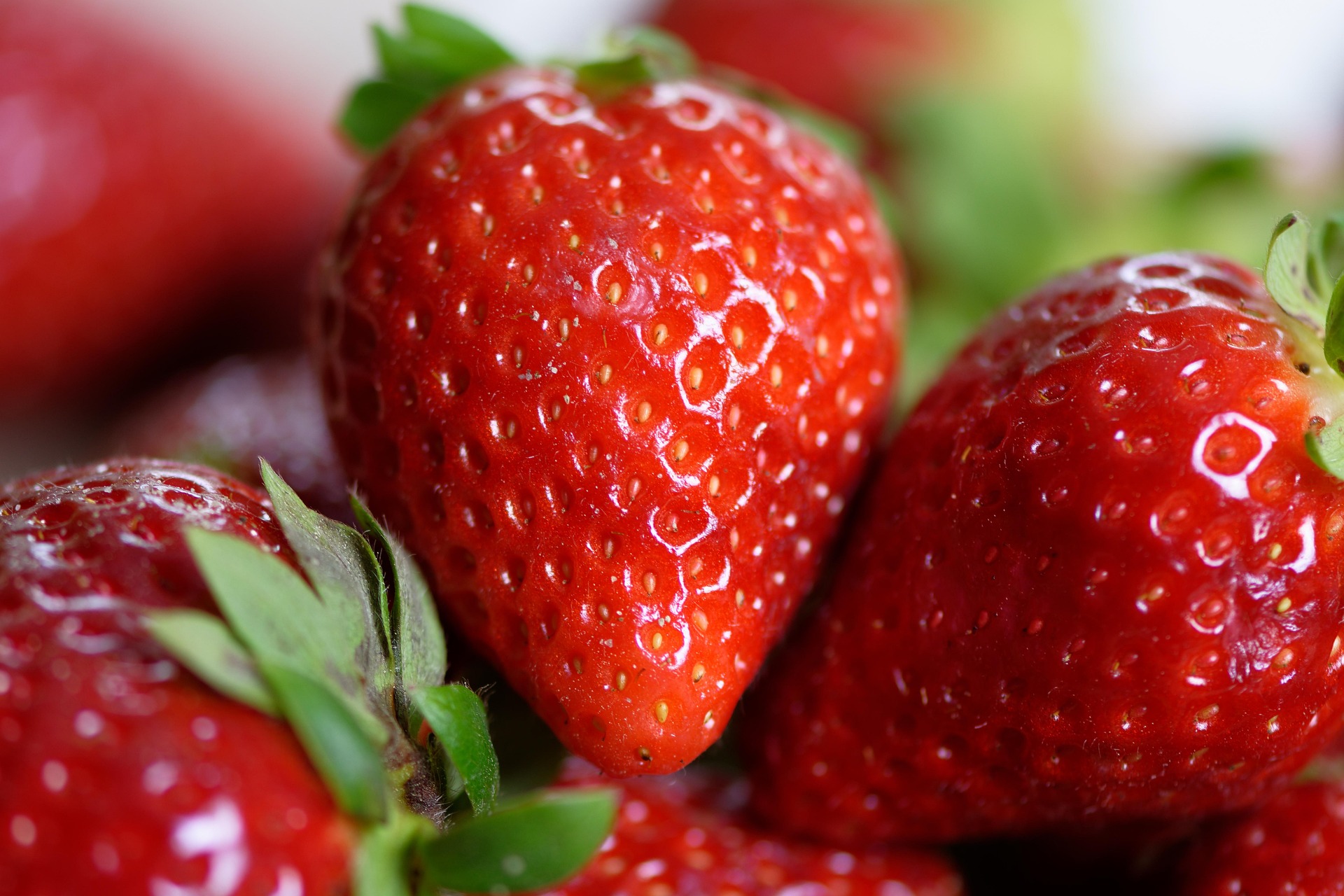
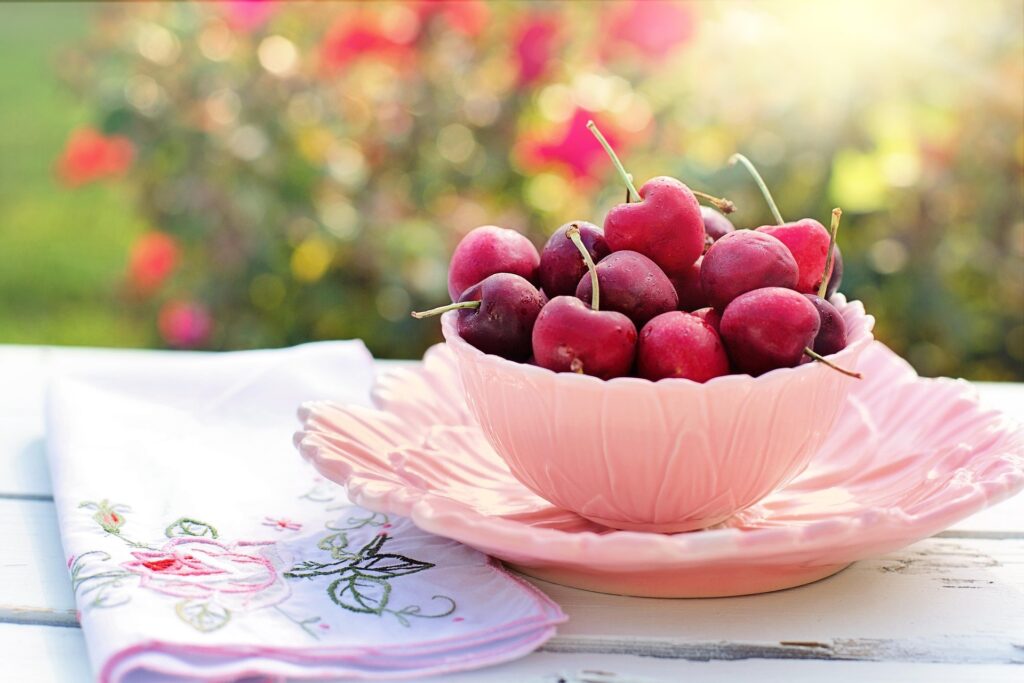
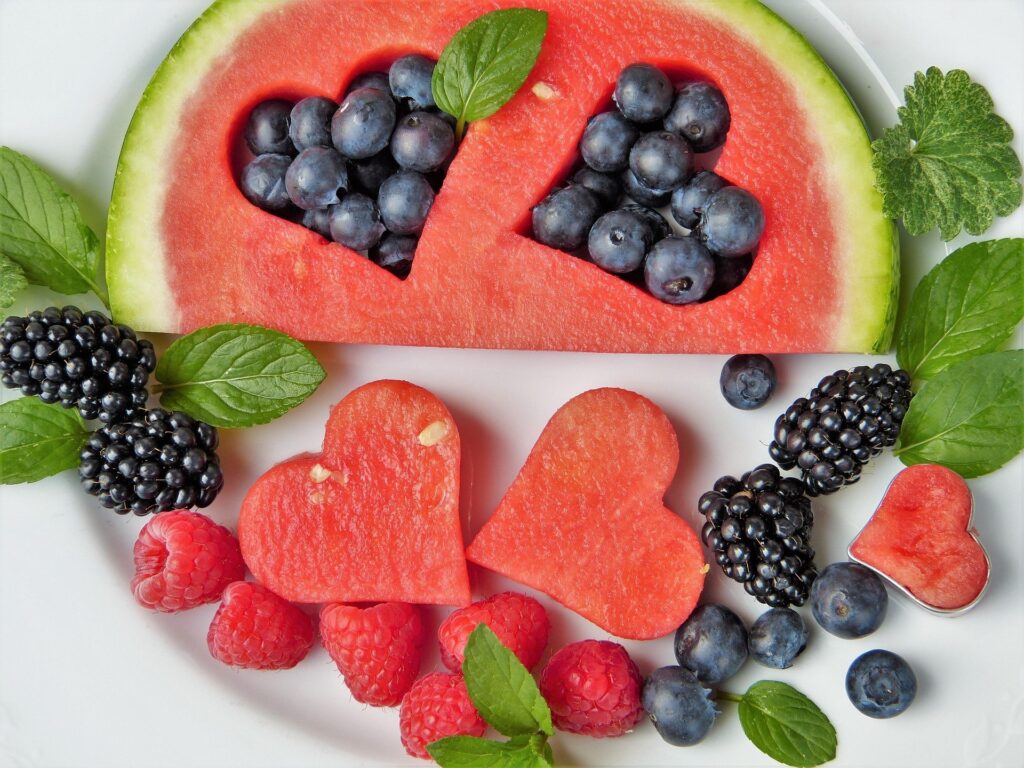
Fresh fruits help keep the body cool due to their high water content and will also help replace fluids lost through perspiration due to their vitamin C, antioxidant and natural fiber content. Some great examples of cooling fruits include:
- Watermelon
- Cucumber
- Strawberry
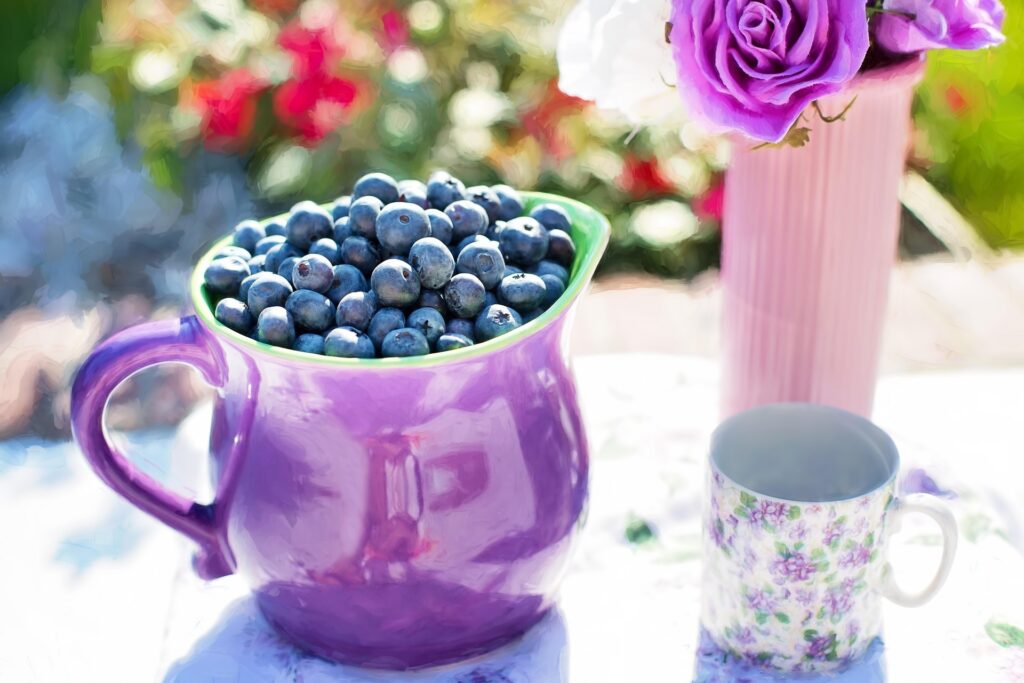
- Blueberry
- Cherry
- Orange
- Peach
- Kiwi
- Pineapple
Hydrating Veggies:
Eating vegetables that are also high in water content can help keep the body hydrated and reduce heat in the body. Some examples of hydrating vegetables include:
- Lettuce
- Spinach
- Cucumber
- Celery
- Tomato
- Bell Peppers
- Zucchini
- Broccoli
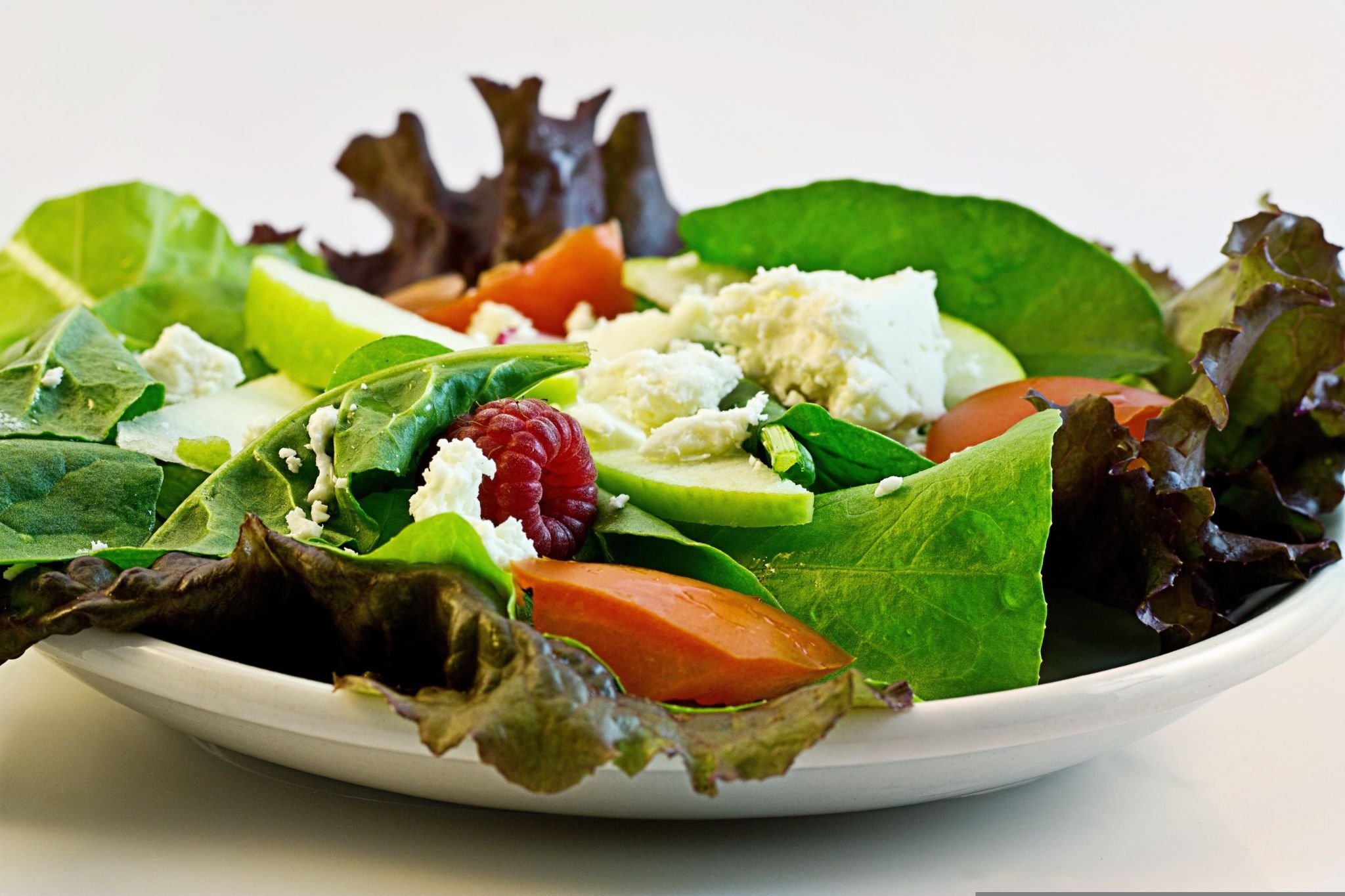
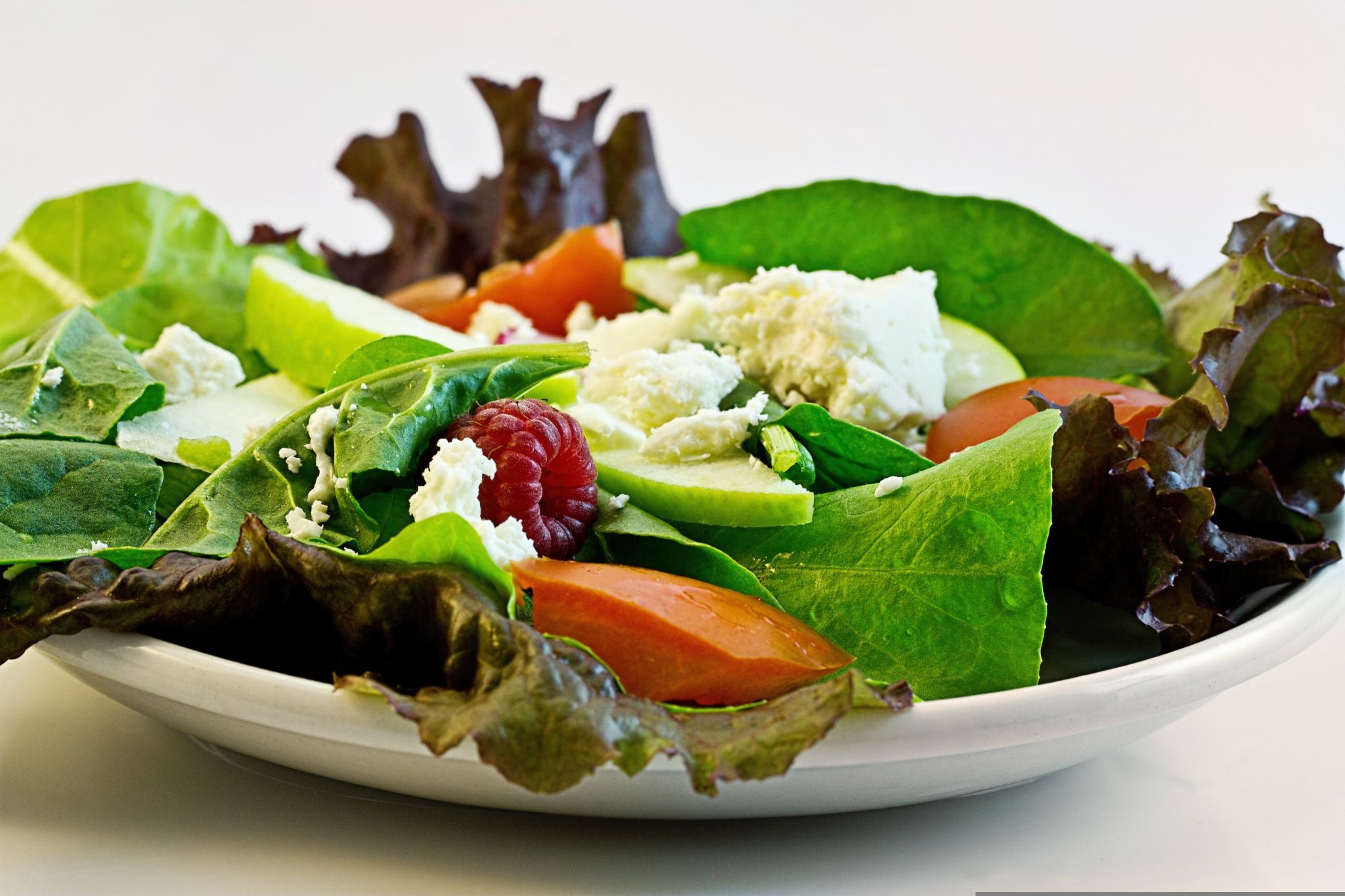
You may want to enjoy these types of vegetables in salads, smoothies and/or cold soups for maximum freshness during the summer.
Lean Protein Sources:
Eating protein will help keep muscle mass intact, which can decline naturally during this point of life. Healthy sources of protein you can incorporate into your diet include:
- Grilled chicken breast
- Salmon
- Sardines
- Eggs
- Greek yogurt
- Cottage cheese
- Lentils
- Chickpeas
- Tofu
- Edamame
Make sure you are including a source of protein with each one of your meals to help you stay full longer and to keep energy levels consistent throughout your day.
Healthy Fats That Help Hormones Process:
Healthy fat sources that will support hormone functioning include:
- Avocado
- Olive Oil
- Walnuts
- Almonds
- Chia Seeds
- Flax Seeds
Pumpkin seeds contain Omega-3 fatty acids that come from fish and seeds, which may help to reduce inflammation and improve mood.They also have fiber, which aids digestion and may also be helpful in reducing or eliminating bloating.Calcium and Vitamin D are critical nutrients as well. After menopause, women will experience a more rapid rate of loss of bone density.
To assist with calcium intake, increase your intake by including the following foods:
- Low-fat milk
- Greek yogurt
- Cottage cheese
- Fortified plant milk
- Tofu
- Kale
- Broccoli
Vitamin D assists with the body’s ability to absorb calcium and can be produced by exposure to sun, fortified food sources, fish, and/or supplementation upon your doctor’s recommendation.
Foods That May Cause Hot Flashes:
In addition to the common sense foods to avoid that have a negative effect on menopause symptoms, some foods are much worse than others and will have a significant effect on your menopause symptoms, especially in the summer months.
If you are experiencing discomfort due to hot flashes, you may find that restricting the following food items may help to provide relief:
- Foods
- Reasons To Restrict
- Spicy food
- Can add body heat
- Fried foods
- Can take longer to digest
- Sugary drinks
- Can produce spikes in blood sugar levels
Caffeine excess:
Often contributes to causing hot flash events in Women
Alcohol
Can result in dehydration
Highly processed snacks:
Typically will contain excess sodium and/or unhealthy fats
Generally speaking, substituting these items with fresh whole foods can often provide a significant degree of comfort.
Hydration During The Summer Months:
During menopause, hydration is one of the key components of menopause nutrition.
You should strive to do the following:
- Drink 8 – 10 glasses of water each day
- Increase water consumption after physical activity/exercise
- Add fresh fruit (cucumber or lemon) to your water
- Drink coconut water occasionally
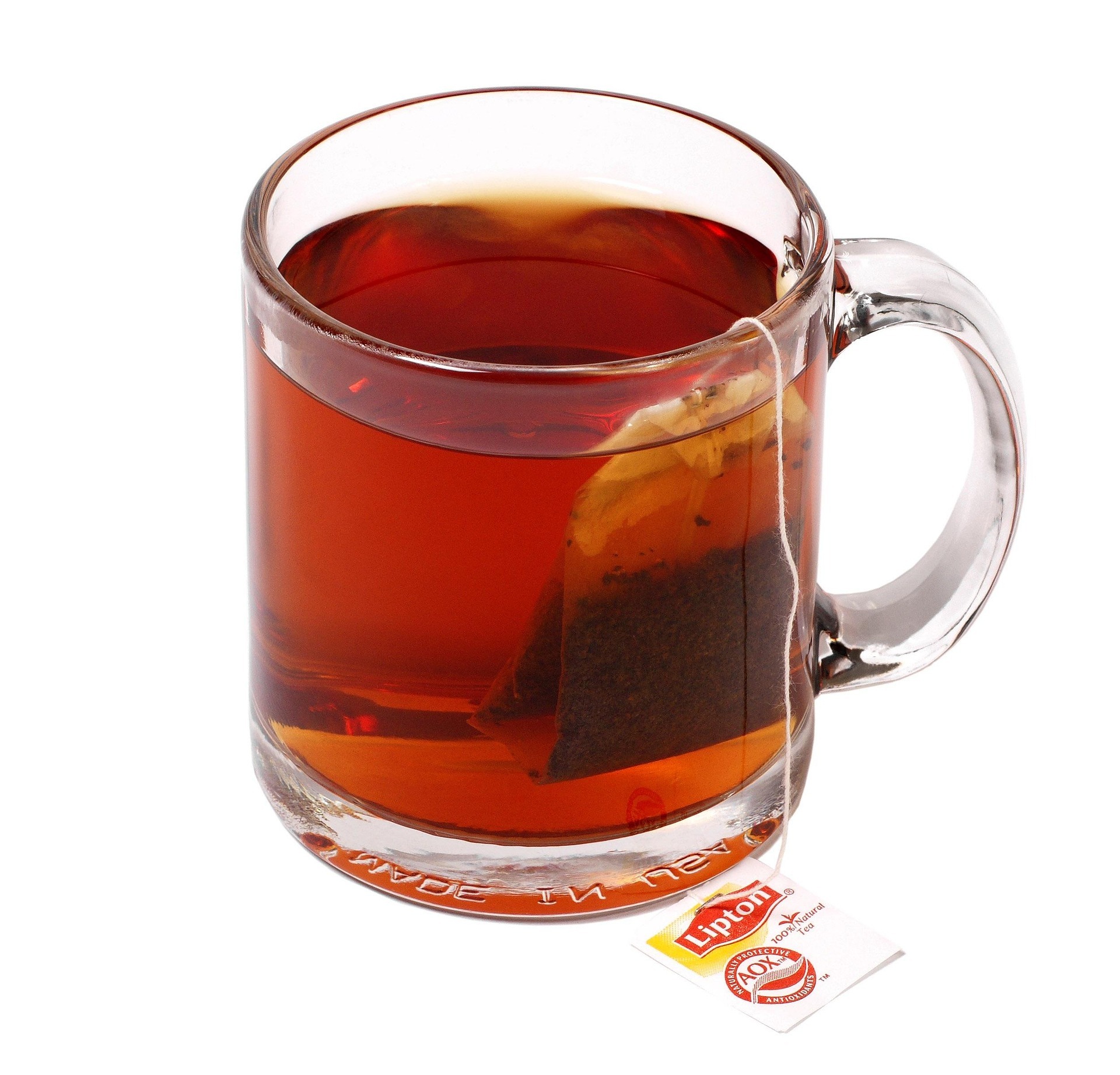
- Drink herbal teas served chilled (i.e. iced) as a beverage
- Consume water-dense fruits as part of your daily food intake.
Do not depend on sugary soft drinks for energy because they have calories but no hydration.
Daily Menu of Foods for Menopause – Summer:
Breakfast
Greek Yogurt
Mixed Berries
Chia Seeds
Whole Grain Toast (1 slice)
Herbal Tea
Complete source of nutrition (protein, calcium, fiber, antioxidants)
Snack (Between breakfast and lunch)
Watermelon
Almonds
Refreshing snack – hydrating and contains healthy fat:
Lunch
Grilled Salmon
Mixed Green Salad
Cucumber
Tomato
Olive Oil Dressing
Small serving of Quinoa
Balanced meal – promotes heart health and stabilizes hormonal issues
Snack (Between lunch and dinner)
Cottage Cheese
Peach
Provides calcium & protein and keeps your energy level stable throughout the day!
Dinner
Grilled Chicken Breast
Broccoli (steamed)
Brown Rice
Side Salad
Filling, high in protein, full of essential nutrients!
Snack (Before bedtime)
Kiwi
Chamomile Tea
Light snack – calming and probably aiding in your ability to unwind before bedtime.
Tips on Lifestyle Changes to Complement Your Summer Diet:
To get the best results from healthy eating, you need to have other healthy lifestyle habits as well. Try to do the following every day:
Walk for at least 30 minutes/day.
Strength train 2-3 times/week.
Get 7-8 hours of sleep per night.
Practice yoga or meditate.
Stay inside during the hottest part of the day.
Wear light-weight cotton clothing.
Reduce stress on a daily basis.
All of these habits combined will help improve the symptoms of menopause and your general well being.
Plant-Based Foods Containing Phytoestrogens:
Phytoestrogens are naturally occurring compounds present in plants which may support hormone balance gently. Foods that contain phytoestrogens include:
Soybean
Tofu
Tempeh
Flaxseed
Sesame seed
Chickpeas
These foods can be included in a balanced diet during menopause.
Common Mistakes Made When Following a Summer Diet During Menopause
The following behaviors should be avoided:
Skipping breakfast
- Drinking insufficient amounts of water
- Eating too many ice creams/sugary desserts
- Consuming too much caffeine
- Neglecting protein intake
- Eating large meals late at night
Eating small, balanced meals throughout the day is much more beneficial than having one large heavy meal at once.
Questions People Frequently Ask:
1. What are the best summertime foods for menopause?
The best foods for summertime include watermelon, cucumber, berries, leafy greens, greek yoghurt, salmon and leafy vegetative materials as they provide hydration and nutrition as well as supporting hormones.
2.Does eating less assist with reducing hot flashes?
Eating less by avoiding spicy foods, alcoholic beverages, caffeinated beverages and including a variety of nutrient dense foods may indeed help to decrease both the frequency and severity of hot flashes.
3.How much protein should a woman over 45 consume?
It is suggested that every meal consists of 20-30 grams of protein in order to maintain muscle throughout menopause. Individual needs are influenced by their level of physical activity and any possible underlying conditions.
4.Is Coffee Bad During Menopause?
Coffee is okay for most people, however, some people may experience increased hot flashes, or have trouble sleeping if they consume a lot of caffeine. So moderation would be the best option.
5.What are some of the best drinks for a woman going through summer menopause?
The safest drinks include: water, fruit infused water, coconut water, non-sweetened herbal tea, and low-fat milk, which will all keep her hydrated.
In Conclusion:
Following a Healthy Menopause Summer Diet Plan for Women Over 45, will help reduce the discomfort of hot weather through hydration, hormone and overall health balance. Eating fresh fruits and vegetables, lean protein, whole grains, and healthy fats, while limiting sugar, spicy and heavily processed food, will help relieve common symptoms of menopause, including hot flashes and fatigue. These will help a woman going through menopause stay cool, energized, and self-assured during the summer months, in addition to maintaining an adequate level of exercise, getting enough sleep, and managing stress.